Sevin Concentrate Bug Killer Mixing Instructions: A Comprehensive Guide
Successfully controlling garden pests requires precise mixing of Sevin Concentrate. This guide details crucial steps,
rates, and safety measures for effective application, ensuring optimal results and plant health.
Understanding Sevin Concentrate Formulation
Sevin Concentrate is a potent insecticide formulated for agricultural and commercial use, containing the active ingredient carbaryl. It’s available in a 4F liquid formulation, designed for dilution with water before application. This concentrate isn’t a ready-to-use spray; accurate mixing is paramount for both efficacy and safety.
The formulation allows for flexible application rates, ranging from a standard 4 ounces per gallon for general pest control to a more targeted 1.5 ounces per gallon for specific crops like tomatoes. Larger areas benefit from application rates of 1 quart per acre, requiring a minimum of 10 gallons of water for thorough coverage.
Understanding this concentrated nature is key – improper dilution can lead to plant damage or reduced pest control. Always refer to the product label for the most up-to-date and specific instructions.
Active Ingredient: Carbaryl and Its Properties
Carbaryl, the active ingredient in Sevin Concentrate, is a broad-spectrum insecticide belonging to the carbamate family. It effectively controls a vast array of garden pests through contact action, disrupting their nervous systems. This means pests must be directly sprayed or come into contact with treated surfaces for the insecticide to work.
Carbaryl exhibits relatively short residual activity compared to some other insecticides, requiring reapplication as needed – up to 7 times per season for tomatoes, for example. It’s crucial to understand that carbaryl is toxic to beneficial insects, like bees, so careful application timing is essential.
Its effectiveness stems from its ability to inhibit acetylcholinesterase, an enzyme vital for nerve function in insects. Proper handling and adherence to safety precautions are vital when working with carbaryl-based products.
Safety Precautions Before Mixing
Prioritize safety when handling Sevin Concentrate. Always wear appropriate personal protective equipment (PPE), including long sleeves, long pants, chemical-resistant gloves, and eye protection – goggles or a face shield are recommended. Avoid inhaling spray mist; a respirator may be necessary in enclosed spaces.
Mixing should occur in a well-ventilated area, away from children, pets, and food sources. Never eat, drink, or smoke while preparing the spray solution. Wash hands thoroughly with soap and water after handling the concentrate and after mixing.
Read and carefully follow all label instructions before use. Be aware of potential environmental impacts and avoid contaminating water sources.
Required Equipment for Mixing
Successful mixing demands specific equipment. You’ll need a calibrated measuring device – measuring cups or spoons designed for liquid measurements are essential for accurate dilutions. A suitable container, clearly marked for pesticide use only, is crucial; avoid using containers previously used for food or drink.
The appropriate sprayer is vital: hand pump sprayers, hose-end sprayers, or tank sprayers, depending on the application scale. Agitation tools, like a stirring stick, ensure thorough mixing. Protective gear – gloves, eye protection, and potentially a respirator – are non-negotiable.
Finally, have access to clean water and a designated area for mixing, away from sensitive environments.
General Mixing Ratio: Water to Concentrate
Establishing the correct ratio is paramount for Sevin Concentrate’s effectiveness and safety. The standard dilution universally recommended is 4 ounces of concentrate per gallon of water. This provides a balanced solution for broad-spectrum pest control. However, adjustments are necessary based on the target plant and pest.
For larger areas, a minimum of 10 gallons of water per acre is required when applying at a rate of 1 quart of concentrate. Always prioritize thorough dilution to prevent phytotoxicity. Accurate measurement is key; deviations can reduce efficacy or harm plants.
Remember to always consult the product label!
Standard Dilution: 4 oz per Gallon
The 4 ounces per gallon dilution represents the foundational mixing ratio for Sevin Concentrate, suitable for a wide range of garden applications. This proportion ensures effective pest control while minimizing the risk of plant damage. Begin by adding the measured concentrate to your sprayer, then carefully fill with water to reach the gallon mark.
Thorough mixing is crucial; agitate the solution vigorously to guarantee complete dissolution. This standard dilution is effective against over 500 insect pests upon contact. Always adhere to label instructions regarding application frequency and pre-harvest intervals.
Consistent application yields optimal results!
Dilution for Specific Crops: Tomatoes (1.5 oz per Gallon)
Tomatoes require a more delicate approach when using Sevin Concentrate, necessitating a reduced dilution rate of 1.5 ounces per gallon of water. This lower concentration minimizes the potential for leaf burn or fruit damage, common concerns with tomato plants. Carefully measure the concentrate before adding it to the water-filled sprayer.
Remember, tomato plants can tolerate a maximum of seven applications per season, applied as needed to manage pest infestations. Consistent monitoring is key to determining the appropriate timing for treatments. Always prioritize label instructions for safe and effective pest control on your tomato crops.
Protect your harvest with precise application!
Large-Scale Application: Rates per Acre (1 Quart per Acre ⎯ Minimum 10 Gallons Water)
For expansive areas, Sevin Concentrate application requires calculating rates per acre. A standard application utilizes 1 quart of concentrate, but crucially, this must be diluted with a minimum of 10 gallons of water per acre. This ensures even distribution and prevents localized over-concentration, which could harm plants.
Tree and orchard crops benefit from this higher water volume, promoting thorough coverage. Always verify local regulations regarding pesticide application rates. Proper calibration of spray equipment is essential for accurate delivery. Prioritize safety and environmental responsibility when treating large areas with Sevin Concentrate.
Effective coverage is key for large-scale pest control!
Mixing Instructions for Different Application Methods
Selecting the right application method dictates the mixing process for Sevin Concentrate. For hand pump sprayers, carefully measure the concentrate and water, ensuring thorough mixing before and during application. Hose-end sprayers require calibration to deliver the correct ratio; follow the sprayer’s instructions precisely.
Tank sprayers necessitate agitation to maintain a consistent solution. Always add the concentrate to the water, not the reverse, to prevent clumping. Regardless of the method, prioritize complete dissolution of the concentrate. Consistent agitation during spraying is vital for uniform pest control.
Proper mixing guarantees optimal effectiveness!
Hand Pump Sprayers: Step-by-Step Guide
Using a hand pump sprayer for Sevin Concentrate requires precision. First, fill the sprayer tank with the required amount of water. Then, carefully measure the appropriate concentrate – typically 4 ounces per gallon, or 1.5 ounces for tomatoes – and pour it into the water.
Securely close the tank and vigorously shake for at least one minute to ensure complete mixing. Periodically re-agitate during application. Before spraying, test on a small area to confirm plant compatibility. Always wear appropriate protective gear. Consistent pumping maintains pressure and even distribution for effective pest control.
Remember safety first!
Hose-End Sprayers: Calibration and Mixing
Hose-end sprayers simplify application, but require careful calibration. Begin by filling the sprayer reservoir with water, leaving space for the Sevin Concentrate. Add the correct amount – generally 4 ounces per gallon – ensuring thorough mixing.
Attach the sprayer to your hose and turn the water on to a moderate flow. Calibrate by measuring the output over a timed period to verify the application rate. Regularly check for clogs and maintain consistent water pressure. Always follow label instructions for specific dilution rates and wear protective gear during use.
Proper calibration is key!
Tank Sprayers: Considerations and Mixing Procedure
Tank sprayers are ideal for larger areas, offering control and efficiency. Before mixing, ensure the tank is clean and free of residue. Fill the tank partially with water, then add the appropriate amount of Sevin Concentrate – typically 4 ounces per gallon, or 1.5 ounces for tomatoes.
Thoroughly mix the solution, ensuring complete dissolution of the concentrate. Continuously agitate the mixture during application to prevent settling. Regularly inspect spray nozzles for clogs and maintain consistent pressure. Always prioritize safety by wearing protective clothing and following label guidelines for optimal results.
Consistent agitation is crucial for effectiveness!
Application Rates Based on Pest and Plant Type
Effective pest control hinges on applying the correct Sevin Concentrate dosage, tailored to both the target pest and the plant being treated. For vegetable gardens, adhere to label recommendations, generally using the standard 4 oz per gallon dilution. Fruit trees and orchards may require a larger volume – up to 1 quart per acre, mixed with a minimum of 10 gallons of water.
Flower beds and ornamentals also benefit from the 4 oz/gallon rate. Always prioritize thorough coverage, ensuring all plant surfaces are treated. Remember, precise application maximizes effectiveness while minimizing environmental impact.
Always consult the product label for specific pest recommendations!
Vegetable Gardens: Recommended Dosage
Protecting your vegetable garden from damaging insects requires careful attention to Sevin Concentrate dosage. The standard recommendation is a 4 oz per gallon dilution for broad-spectrum pest control. However, for tomatoes, a more targeted approach is advised: use only 1.5 oz of Sevin Concentrate per gallon of water.
This lower concentration minimizes potential harm to the plants while effectively controlling common tomato pests. Remember, the maximum number of applications per season for tomatoes is 7, applied as needed. Always ensure thorough coverage of all plant parts, and adhere to pre-harvest intervals specified on the product label.
Consistent monitoring is key!
Fruit Trees and Orchards: Application Guidelines
Effective pest control in fruit trees and orchards necessitates a higher volume of spray mixture for adequate coverage. A rate of 1 quart of Sevin Concentrate per acre is generally recommended, but crucially, this requires a minimum of 10 gallons of water per acre to ensure proper distribution.
For smaller applications, maintain the 4 oz per gallon dilution. Thoroughly spray all surfaces of the tree, including leaves, branches, and fruit, paying close attention to areas where pests congregate. Consider weather conditions; avoid application during windy periods to prevent drift. Always consult the product label for specific fruit tree recommendations and pre-harvest intervals.
Regular inspections are vital for success!
Flower Beds and Ornamentals: Mixing for Effective Control
Protecting your flower beds and ornamentals from damaging insects requires careful application of Sevin Concentrate. The standard dilution rate of 4 ounces per gallon of water is generally effective for most ornamental plants. Ensure complete coverage by spraying all plant surfaces, including the undersides of leaves where many pests hide.
For delicate plants, test the solution on a small area first to ensure it doesn’t cause any adverse reactions. Avoid spraying during the hottest part of the day to prevent leaf burn. Regular monitoring and preventative applications are key to maintaining a pest-free garden.
Always read the label!
Post-Mixing Procedures and Storage
After thoroughly mixing Sevin Concentrate, ensure consistent agitation during application to maintain an even distribution of the insecticide. This prevents uneven pest control and maximizes effectiveness. Any mixed solution not used immediately should be stored in a tightly sealed, clearly labeled container, away from children and pets.
Proper storage protects the solution’s potency and prevents accidental exposure. Never store mixed solution for extended periods, as it can degrade. Dispose of any leftover mixture responsibly, following local regulations for pesticide disposal. Rinse the sprayer thoroughly with water after each use to prevent corrosion.
Safety first!
Ensuring Thorough Mixing and Agitation
Complete dissolution of Sevin Concentrate is paramount for effective pest control. After adding the concentrate to water, stir vigorously or utilize the sprayer’s built-in mixing mechanism. Continue agitation throughout the application process, especially with larger volumes, to prevent settling.
Consistent agitation guarantees a uniform spray solution, delivering the correct dosage to all plant surfaces. Regularly check the mixture for any signs of separation. If separation occurs, re-mix thoroughly before continuing. Proper mixing ensures optimal contact with pests, maximizing the insecticide’s impact and minimizing wasted product.
Don’t skip this step!
Proper Storage of Mixed Solution
Mixed Sevin solution degrades over time, losing its effectiveness. Therefore, it’s crucial to use the mixture immediately after preparation. If unavoidable, store any leftover solution in a tightly sealed, clearly labeled container, away from children and pets.
Protect the solution from direct sunlight and extreme temperatures, as these accelerate breakdown. Ideally, use within 24 hours for optimal potency. Discard any unused portion after this period responsibly, following local regulations. Never store mixed solution in the original concentrate container to avoid accidental misuse.
Always prioritize safety and efficacy!
Safe Disposal of Leftover Mixture
Proper disposal of leftover Sevin mixture is vital for environmental protection and safety. Do not pour it down the drain, into sewers, or onto the ground. These actions can contaminate water sources and harm non-target organisms.
Instead, follow these steps: absorb the solution with materials like kitty litter, sawdust, or paper towels. Place the contaminated absorbent material in a sealed plastic bag and dispose of it according to local hazardous waste regulations. Alternatively, contact your local waste management authority for guidance on proper disposal methods.
Always consult local guidelines!
Troubleshooting Common Mixing Issues
Encountering problems while mixing Sevin Concentrate is common, but often easily resolved. If the concentrate doesn’t dissolve, ensure adequate agitation and water temperature. Clogged sprayers usually indicate insufficient filtering or undissolved particles; flush the sprayer thoroughly with clean water.
Calculating quantities for specific areas can be tricky. Double-check your measurements and use online calculators or conversion tools for accuracy. Remember the general rule: 4oz per gallon for standard use, but adjust for crops like tomatoes (1.5oz/gallon). Always prioritize precise measurements for optimal pest control and plant safety.
Careful attention prevents issues!
Concentrate Not Dissolving Properly
If Sevin Concentrate isn’t dissolving fully, several factors could be at play. First, verify the water temperature; cooler water slows dissolution. Vigorous agitation is crucial – continuously stir the mixture for several minutes after adding the concentrate. Ensure the water is adequately mixed before introducing the Sevin product.
Check water pH, as extreme levels can hinder dissolving. If issues persist, try using a small amount of warm water to create a concentrate slurry before adding it to the full gallon. Thorough mixing is paramount for even distribution and effective pest control. Don’t proceed until fully dissolved!
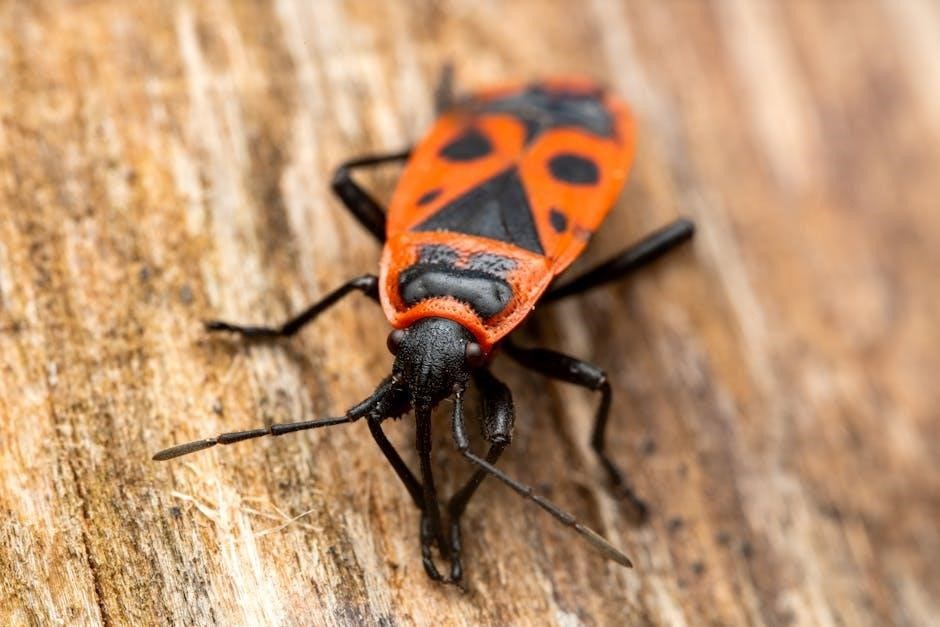
Sprayer Clogging After Mixing
Sprayer clogging post-mixing indicates potential particulate matter or incomplete dissolution of the Sevin Concentrate. Before application, always filter the mixture through a fine-mesh screen or nylon stocking to remove any undissolved particles. Regularly inspect and clean your sprayer nozzles – even microscopic debris can cause blockages.
Ensure adequate agitation during and throughout the spraying process. If clogging occurs mid-application, stop immediately and flush the sprayer with clean water. Consider reducing the concentration slightly if persistent clogging remains an issue, but maintain efficacy.
Calculating Mixture Quantities for Specific Areas
Accurate calculations are vital for effective pest control and avoiding over-application. First, determine the area needing treatment in square feet. Remember, some applications require a minimum of 10 gallons of water per acre, equating to roughly 0.23 gallons per 100 sq ft.
For smaller areas, use the standard dilution rate of 4oz per gallon. For example, to treat 500 sq ft with a 4oz/gallon mix, you’ll need 2 gallons of water and 8oz of concentrate. Adjust accordingly based on the specific crop rate (e.g., 1.5oz/gallon for tomatoes).