Snap Circuits Manual: A Comprehensive Guide (Updated March 30, 2026)
Today, March 30, 2026, marks a significant update to this manual, reflecting advancements in both Snap Circuits and Snap! integration, offering enhanced project guidance.
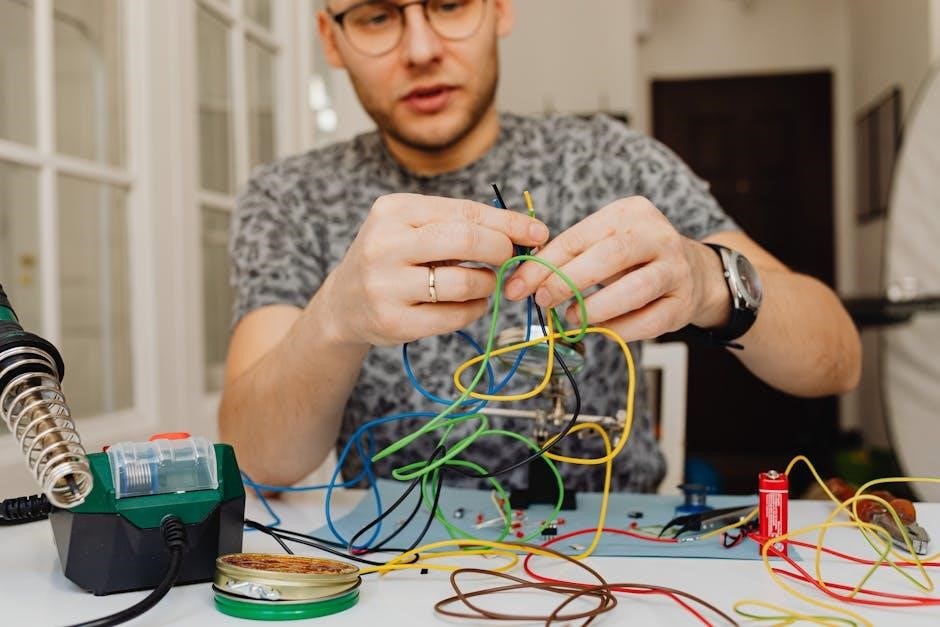
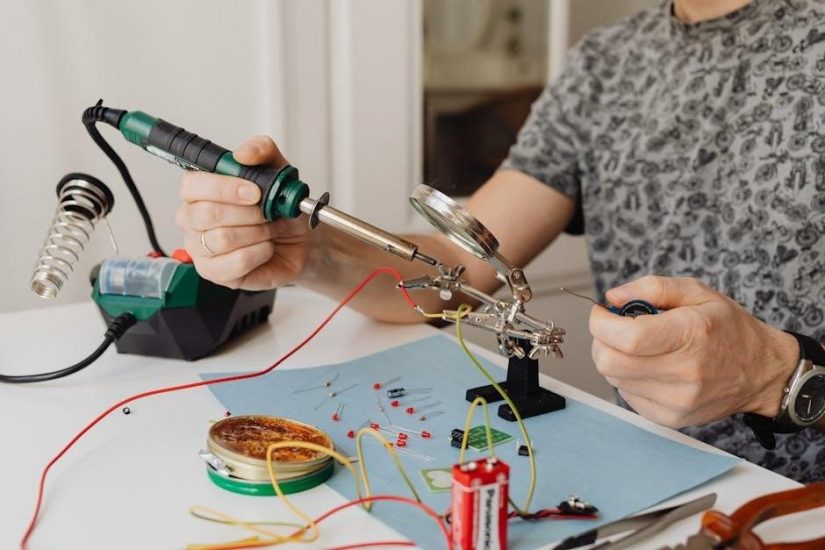
Snap Circuits represent an innovative approach to electronics education, allowing users to build functional circuits without traditional soldering or wiring. This manual serves as a comprehensive resource for beginners and experienced enthusiasts alike, guiding you through the fascinating world of electronics. The system utilizes direct connect components, simplifying the learning process and fostering creativity.
Recent developments, including the release of Snap!6, have significantly enhanced the integration possibilities between physical circuits and visual programming. This allows for more complex and interactive projects. Understanding the core principles outlined within this manual is crucial for unlocking the full potential of Snap Circuits and Snap! combined.
What are Snap Circuits?
Snap Circuits are electronic building blocks that snap together, creating working electrical circuits. Unlike traditional methods requiring soldering, these components connect directly, making electronics accessible to a wider audience, especially beginners. Kits contain a variety of components – resistors, LEDs, integrated circuits – each serving a specific function within a circuit.
The system’s intuitive design encourages experimentation and learning through hands-on experience. Furthermore, the integration with Snap! programming expands possibilities, allowing users to control circuits visually. Snap!6’s performance improvements and the influence of Beetle Blocks have broadened the scope of what’s achievable with Snap Circuits.
The History of Snap Circuits
Snap Circuits emerged as a revolutionary approach to electronics education, simplifying circuit building and removing the barrier of soldering. Initially designed to make electronics more approachable, the system quickly gained popularity for its ease of use and educational value. Over time, Snap Circuits evolved, introducing new kits and components to expand project possibilities.
More recently, the integration with visual programming languages like Snap! has marked a significant milestone. The development team, a global collaboration including UC Berkeley researchers and SAP engineers, released Snap!6, focusing on scale and performance. This evolution reflects a commitment to innovation and accessibility.
Snap Circuits Kits: An Overview
Snap Circuits kits provide a hands-on learning experience, ranging from beginner-level sets introducing basic components to advanced kits enabling complex projects. Each kit contains a variety of snap-together components, including resistors, LEDs, integrated circuits, and more, all mounted on a breadboard-style base. These kits are designed to be modular, allowing users to build numerous circuits following included project manuals.
The system’s appeal lies in its simplicity; no soldering is required, making it safe and accessible for all ages. Furthermore, the integration with Snap! programming expands the possibilities, allowing for interactive and programmable circuits.
Popular Snap Circuit Kits
Snap Circuits SC-300 is a frequently recommended starter kit, offering over 300 projects to learn fundamental electronics. The SC-500 expands on this, providing more components and project complexity, ideal for intermediate users. For advanced exploration, the SC-750 kit delivers an extensive range of components and challenges, including a microprocessor.
Beyond these, specialized kits like the Snap Circuits Robotics and Sound and Light kits cater to specific interests. These kits often include unique components and project guides focused on robotics or audio-visual applications, enhancing the learning experience.
Kit Contents and Components
Snap Circuit kits typically include a variety of components mounted on plastic snap-together boards. Core components encompass resistors, LEDs, transistors, integrated circuits (ICs), capacitors, and speakers. Essential accessories like jumper wires, breadboards (in some kits), and a detailed project manual are also provided.
The manual guides users through building various circuits, explaining component functions and circuit principles. Component identification is crucial; each part is clearly labeled for easy assembly. Understanding these components and their roles is fundamental to successful project completion and further exploration of electronics.
Understanding Snap Circuit Components
Successfully navigating Snap Circuits requires a firm grasp of its core components. Resistors control current flow, LEDs emit light when current passes, and transistors act as electronic switches. Integrated Circuits (ICs) perform complex functions, forming the brains of many projects. Capacitors store electrical energy, while speakers convert electrical signals into audible sound.
Each component plays a vital role in circuit functionality. Recognizing their symbols and understanding their properties is key to troubleshooting and designing custom circuits. The manual provides detailed explanations, but experimentation is crucial for solidifying comprehension.

Resistors and Their Functions
Resistors, fundamental to Snap Circuits, oppose the flow of electrical current, measured in Ohms. They limit current to protect components and control voltage levels within a circuit. Different colored bands on a resistor indicate its resistance value, a crucial skill for circuit building. Understanding resistance is vital for preventing component damage and achieving desired circuit behavior.
Snap Circuits utilizes resistors in various projects, from simple voltage dividers to more complex current-limiting applications. Proper resistor selection ensures optimal performance and longevity of your creations. Experimentation with different values reveals their impact.
LEDs and Light Sensors
Light Emitting Diodes (LEDs) convert electrical energy into visible light, essential for visual indicators in Snap Circuits projects. They have polarity – a positive (anode) and negative (cathode) – requiring correct connection for illumination. Light sensors, conversely, detect light intensity, providing variable resistance based on ambient light levels.
Combining LEDs and light sensors enables interactive circuits responding to environmental changes. Projects like automatic nightlights or light-activated alarms demonstrate their synergy. Understanding LED current limits and sensor sensitivity is key to successful implementation within your Snap Circuit designs.
Integrated Circuits (ICs) in Snap Circuits
Integrated Circuits (ICs) are the brains of many Snap Circuits projects, performing complex functions within a tiny package. These pre-built circuits encapsulate numerous transistors and components, simplifying project construction. Common ICs include 555 timers for creating oscillators and logic gates for digital circuits.
ICs enable advanced functionalities like sound generation, light control, and even basic computation. Understanding the IC’s pinout – the arrangement of its connections – is crucial for proper integration. Snap Circuits simplifies IC usage by providing clear labeling and secure connections, making complex electronics accessible.
Building Your First Snap Circuit
Embarking on your first Snap Circuits project is an exciting step into the world of electronics! Begin by carefully selecting a simple project from the included manual, ensuring you understand each component’s role. Meticulously follow the diagram, snapping components together firmly onto the base grid. Double-check all connections before applying power – a loose connection is a common issue.
Pay close attention to component orientation; some parts are directional. If the circuit doesn’t function as expected, systematically review each connection and component placement. Patience and attention to detail are key to success!
Following the Manual Instructions
The Snap Circuits manual is your primary guide; treat it as a detailed roadmap for each project. Each step is carefully designed for sequential execution, building understanding with each connection. Diagrams are crucial – observe component placement and orientation precisely. Don’t skip steps, even if they seem minor, as they often establish essential circuit functionality.
Read the accompanying text explanations to grasp the why behind each action, not just the how. This fosters genuine learning. If unsure, revisit previous steps or consult online resources. Accurate manual following minimizes errors and maximizes project success.
Troubleshooting Common Issues
If a circuit doesn’t function as expected, systematic troubleshooting is key. First, double-check all connections – ensure snaps are firmly attached. Verify component orientation; LEDs and ICs have polarity. A common issue involves unstable sprite names in Snap! integration, causing erratic behavior. Confirm each sprite has a unique, persistent identifier.
If clones display incorrectly, examine the naming attributes and ensure they’re correctly assigned. Review the manual for potential errors in your build. Online forums and the official Snap Circuits website offer solutions to frequently encountered problems.
Advanced Snap Circuit Projects
Beyond basic circuits, explore projects like a functional alarm system utilizing a light sensor and timer components. Building a sound-activated switch introduces more complex logic, demanding careful component placement and wiring. These projects bridge the gap between simple experimentation and practical application, enhancing understanding.
Integrating Snap! programming unlocks further potential, allowing dynamic control and customization. Consider projects involving variable resistor control via Snap! scripts, or creating interactive displays. Remember to consult the manual and online resources for detailed instructions and troubleshooting tips.
Creating a Working Alarm
Constructing a working alarm with Snap Circuits involves strategically combining components like a light sensor, a timer IC, and a buzzer. The light sensor detects darkness, triggering the timer. Once the timer elapses, the buzzer activates, sounding the alarm. Careful attention to component orientation and secure connections is crucial for functionality.
Experiment with adjusting the timer duration to customize the alarm’s delay. Consider adding an LED indicator to visually confirm alarm activation. Troubleshooting often involves checking battery polarity and ensuring the light sensor is appropriately positioned for reliable triggering.
Building a Sound-Activated Switch
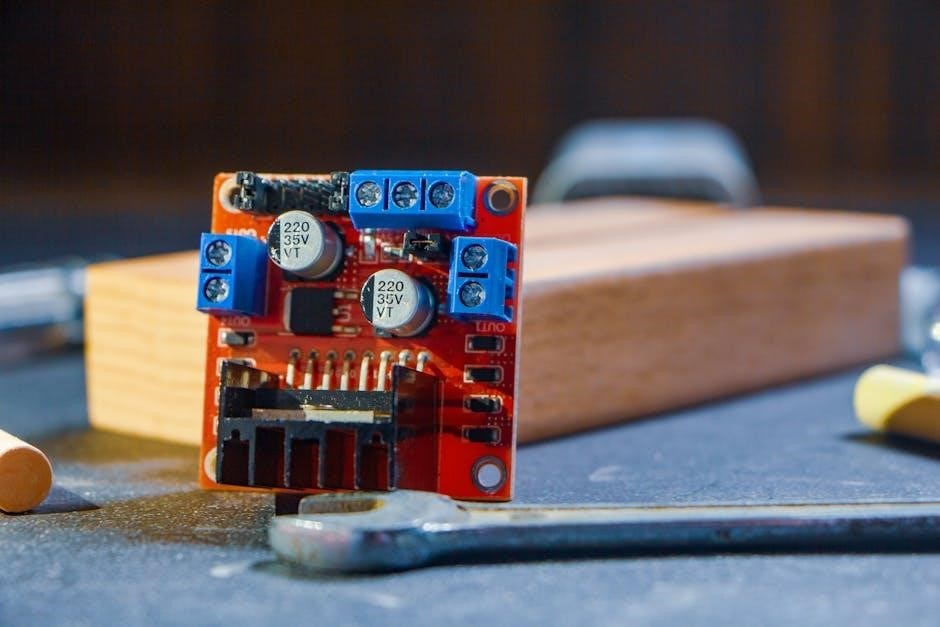
A sound-activated switch utilizes a microphone module to detect audio input, triggering a relay or transistor switch. This switch can then control other circuits, effectively turning devices on or off based on sound levels. Proper calibration of the microphone’s sensitivity is essential to avoid false triggers or missed detections.
Experiment with different sound thresholds to fine-tune the switch’s responsiveness. Integrating an LED indicator provides visual feedback when the switch is activated. Troubleshooting often involves checking the microphone’s connections and ensuring sufficient power to the module.
Snap! Programming and Snap Circuits Integration
Snap! visual programming language dramatically expands the capabilities of Snap Circuits, allowing for dynamic control and complex interactions. Utilizing the extension framework, Snap! can send signals to Snap Circuits, effectively programming circuit behavior beyond the limitations of static builds. This integration opens doors to creating responsive projects that react to user input or external data.
The power lies in translating Snap! blocks into commands understood by the circuit, enabling automated sequences and sensor-driven actions. Exploring this synergy unlocks a new dimension of experimentation and learning.

Snap! is a block-based visual programming language developed at UC Berkeley, designed to be approachable for beginners yet powerful enough for advanced users. Unlike traditional text-based coding, Snap! utilizes drag-and-drop blocks representing code functions, simplifying the learning process. It’s particularly well-suited for educational purposes, fostering computational thinking skills.
Snap! allows users to create interactive stories, animations, and games, and, crucially for our purposes, control external hardware like Snap Circuits. The language emphasizes a procedural approach, encouraging logical problem-solving and creative expression through code.
Using Snap! to Control Snap Circuits (Extension Framework)
Snap!’s extension framework is pivotal for interfacing with Snap Circuits, enabling control of components through code. This framework allows developers to create custom blocks specifically designed to send signals to and receive data from the circuits. The recent updates, influenced by Beetle Blocks, have significantly improved this integration, offering a more modern and robust experience.
By utilizing these extensions, users can programmatically activate LEDs, control motors, and respond to sensor inputs from their Snap Circuit creations, bridging the gap between physical electronics and visual programming. This opens up a world of interactive projects.
Snap! Modding and Personal Libraries
Snap!’s modding capabilities empower users to extend its functionality beyond the standard blocks, fostering creativity and customization. Personal Libraries, like the one developed since December 2025, allow users to create and share custom blocks tailored to specific needs, including complex interactions with Snap Circuits. These libraries streamline project development by encapsulating frequently used code sequences.
The multi-mod support ensures compatibility and avoids conflicts, while the ability to generate custom script code unlocks advanced possibilities. This feature allows for sophisticated control and data exchange between Snap! and physical circuits.
Overview of Snap! Modding Capabilities
Snap!’s robust modding framework allows users to fundamentally alter and extend the programming environment. Developers can introduce new blocks, modify existing ones, and create entirely new functionalities, pushing the boundaries of what’s possible with visual programming. This extensibility is crucial for integrating Snap! with external hardware like Snap Circuits, enabling complex interactions and data exchange.
The framework supports creating custom libraries, facilitating code reuse and collaboration. Snap!’s design philosophy encourages experimentation and sharing, making modding accessible to both beginners and experienced programmers, fostering a vibrant community.
Utilizing Personal Libraries for Custom Blocks
Personal Libraries in Snap! are essential for organizing and reusing custom-built blocks, streamlining complex projects involving Snap Circuits. These libraries allow users to encapsulate specific functionalities – like controlling circuit components or processing sensor data – into modular units. This promotes code clarity and reduces redundancy, making projects easier to manage and debug.
The December 2025 release of the Personal Library mod significantly enhanced this capability, adding multi-mod support. Users can now seamlessly integrate multiple custom libraries, expanding the possibilities for sophisticated interactions between Snap! and physical circuits.

Snap! Updates and New Features (Recent Developments)
Recent Snap! development has focused on scalability and performance, culminating in Snap!6’s release on July 8, 2020. A rewritten Morphic kernel optimizes graphics rendering and reduces memory demands, crucial for handling complex Snap Circuit interactions. Furthermore, the Snap! team, including the original developer of Beetle Blocks, has integrated features inspired by Beetle Blocks, creating a more modern and intuitive extension framework.
These updates directly benefit Snap Circuit projects by enabling smoother control and visualization of circuit behavior within the Snap! environment, enhancing the user experience.
Snap!6: Scale and Performance Improvements
Snap!6, released on July 8, 2020, represents a major leap forward in the platform’s capabilities. The core improvement lies in a complete rewrite of Snap!’s Morphic kernel. This overhaul dramatically optimizes graphics rendering, allowing for more complex visual representations of Snap Circuit projects within the Snap! interface. Simultaneously, memory usage has been significantly reduced, enabling users to manage larger and more intricate projects without performance bottlenecks.
These enhancements translate directly into a smoother, more responsive experience when controlling and monitoring Snap Circuits via Snap!
Beetle Blocks Influence on Snap! Development
The development of Snap! has been directly influenced by Beetle Blocks, particularly with the introduction of a more modern version within the Snap! framework. A key developer from Beetle Blocks transitioned to the Snap! team, bringing expertise in visual programming and extension capabilities. This resulted in a new extension framework within Snap! designed to mirror the functionality and user-friendliness of Beetle Blocks.
This integration allows for more seamless control and interaction with physical computing platforms like Snap Circuits, bridging the gap between code and hardware.
Troubleshooting Snap! and Circuit Interactions
When integrating Snap! with Snap Circuits, several issues can arise. Sprite display problems, such as showing an incorrect number of sprites (like five when only four are intended), can occur due to unstable sprite names. Addressing this requires assigning unique name attributes to each clone, allowing Snap! to reliably identify and control individual components.
Furthermore, managing clone names and attributes is crucial for accurate data retrieval and consistent behavior within your projects. Incorrectly assigned or cycling names can lead to unpredictable results.
Addressing Sprite Display Issues
A common problem when linking Snap! to Snap Circuits involves incorrect sprite counts. Users have reported instances where Snap! displays more sprites than intended – for example, five sprites appearing when only four should be present. This often stems from unstable or improperly managed sprite names within the Snap! environment.
To resolve this, focus on assigning distinct, persistent name attributes to each sprite clone. This ensures Snap! can accurately track and differentiate each component, preventing the cyclical behavior where sprites incorrectly report their positions. Proper naming is key to stable control.

Managing Clone Names and Attributes
Effective control of Snap Circuits through Snap! relies heavily on meticulous management of clone names and attributes. The ability to create a unique “name” attribute and assign a different value to each clone is crucial for accurate identification and independent operation. Without this, sprites cycle through positions, creating unpredictable behavior.
Assigning distinct names allows you to specifically target each clone with commands, ensuring each corresponds to a particular circuit element or function. This prevents confusion and enables complex interactions between Snap! and the physical Snap Circuits components, leading to reliable project outcomes.
Resources for Snap Circuits and Snap!
Official Snap Circuits Website: This is the primary hub for all things Snap Circuits, offering detailed product information, project ideas, downloadable manuals, and troubleshooting assistance. It’s an invaluable resource for beginners and experienced users alike.
Snap! Online Editor and Documentation: Access the powerful Snap! visual programming environment directly through your web browser. Comprehensive documentation, tutorials, and example projects are readily available, fostering a deeper understanding of Snap!’s capabilities. Explore the extension framework for seamless integration with Snap Circuits.
Official Snap Circuits Website
The Official Snap Circuits Website serves as the central repository for everything related to the Snap Circuits electronic discovery kits. Users will find detailed product specifications for each kit, including component lists and project guides. Downloadable manuals are readily available, ensuring easy access to instructions even without the original packaging.
Beyond basic documentation, the website features a vibrant community forum where users share projects, troubleshoot issues, and offer support. It’s a fantastic resource for inspiration and collaborative learning, fostering a deeper understanding of electronics and circuit building.
Snap! Online Editor and Documentation
The Snap! Online Editor, accessible through its official website, provides a browser-based environment for visual programming, crucial for controlling Snap Circuits via the extension framework. This platform eliminates the need for software installation, offering convenient access to powerful programming tools.
Comprehensive documentation accompanies the editor, detailing Snap!’s block-based interface, event handling, and advanced features like custom block creation. Users can explore tutorials and examples, learning to manipulate circuit behavior through intuitive visual scripts. The documentation also addresses troubleshooting common issues, aiding in seamless integration.