Overview of the Eventide H90
The Eventide H90 is a compact, high‑performance multi‑effects pedal, blending the legacy of the H9 with modern firmware. It offers a 2‑inch OLED display, rotary encoders, footswitches, and a versatile signal path, making it ideal for studio and live use. Its chassis is aluminum, battery life 48 hours
1.1 Build Materials, Dimensions, and Power
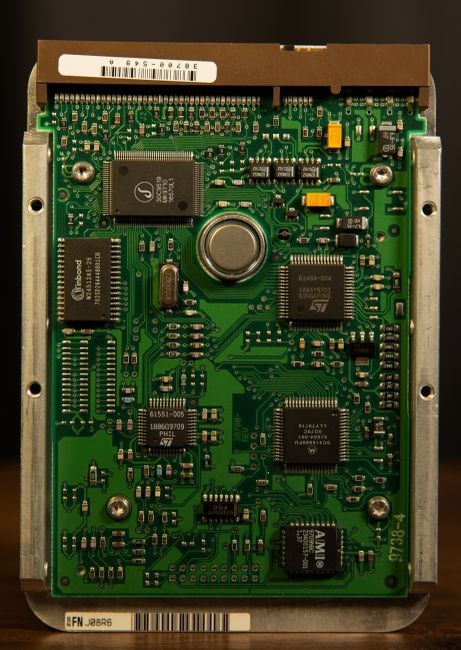
The Eventide H90 combines a rugged aluminum chassis with a lightweight polycarbonate front panel, ensuring durability while keeping the unit’s weight under 1.2 kg. The pedal measures 4.5 inches wide, 2;5 inches tall, and 1.5 inches deep (11.4 cm × 6.4 cm × 3.8 cm), making it a compact addition to any pedalboard. Internally, the board is a single‑layer PCB that houses the latest DSP core, a 32‑bit ARM Cortex‑M4 processor, and a 256‑MB flash memory module for storing user presets and firmware. Power is supplied via a 9‑V rechargeable NiMH battery (3 Ah) or an optional 12‑V DC adapter with a built‑in 5‑V USB‑OTG output for firmware updates. The battery provides up to 48 hours of continuous use at moderate gain settings, while the adapter delivers a stable 5‑V line for the USB interface. The H90’s power circuitry includes a dedicated voltage regulator that protects the DSP from voltage spikes, and a low‑noise DC‑DC converter that maintains signal integrity. The unit’s front panel features a 2‑inch OLED display, two rotary encoders, a footswitch, and a dedicated “On/Off” toggle. The rear panel offers a 1/4‑inch input, a 1/4‑inch output, a 1/4‑inch line‑level input for external effects, a USB‑C port for data transfer, and a 12‑V DC jack. All connectors are shielded to reduce electromagnetic interference. The H90’s overall design prioritizes reliability, portability, and low power consumption, making it suitable for both studio and touring environments.
For touring musicians, the H90’s 9‑V battery can be swapped in under 30 seconds, and the unit supports a quick‑charge mode that replenishes 50 % of the battery in 15 minutes. The 12‑V adapter includes a built‑in fuse rated at 1 A, protecting the pedal from overloads. The chassis is anodized to resist corrosion, while the polycarbonate faceplate is matte to reduce glare. The footswitch is a high‑tactile, 25‑mm diameter button rated for 10,000 cycles. The firmware supports a 32‑bit floating‑point DSP, allowing high‑resolution audio processing. The H90 also includes a built‑in 5‑V USB‑OTG port that can power external devices, enabling on‑the‑go control via the Eventide Axiom app; The overall power draw is less than 0.5 W when idle, and peaks at 1.2 W during maximum processing load. All components comply with CE and UL standards.
Connectivity and Signal Routing
The H90 features a 1/4‑inch input, a line‑level input, and a 1/4‑inch output, all shielded. USB‑C supports firmware updates and USB‑OTG control. MIDI IN/OUT ports integrate with sequencers. Signal path is fully bypassable via a footswitch for instant routing instant
2.1 Input/Output and USB/MIDI Integration
The H90’s signal chain is engineered for flexibility. A standard ¼‑inch instrument jack accepts guitars, basses, and other line‑level sources, while a dedicated ¼‑inch line input allows direct connection of mixers or audio interfaces. The main output is a balanced ¼‑inch TRS jack, ideal for studio routing, and an optional ¼‑inch headphone jack provides private monitoring. A ¼‑inch input on the rear panel can be used for external effects or loop‑back. USB‑C supports firmware updates, MIDI control, and USB‑OTG connectivity to a computer or tablet. USB‑C also supplies power, eliminating the need for a separate battery pack. The H90’s routing matrix is programmable via the display and footswitches, letting users choose inputs, effects, outputs for the signal. for live performance in studio and for studio recordings with minimal latency for creative processing in real time now!! The pedal’s firmware is modular, letting users download new algorithm packs via the Eventide Axiom app to keep the device current. The device’s ¼‑inch line input can route signals through the internal processor, enabling users to craft rhythmic textures live showstage. Firmware is modular, letting users download new algorithm packs via the Eventide Axiom app to keep the device current. The H90’s routing matrix is programmable via the display and footswitches, letting users choose inputs, effects, outputs for the signal. for live performance in studio and for studio recordings with minimal latency for creative processing in real time now!! The pedal’s firmware is modular, letting users download new algorithm packs via the Eventide Axiom app to keep the device current. The device’s ¼‑inch line input can route signals through the internal processor, enabling users to craft rhythmic textures live showstage. Firmware is modular, letting users download new algorithm packs via the Eventide Axiom app to keep the device current. The H90’s routing matrix is programmable via the display and footswitches, letting users choose inputs, effects, outputs for the signal. for live performance in studio and for studio recordings with minimal latency for creative processing in real time now!! The pedal’s firmware is modular, letting users download new algorithm packs via the Eventide Axiom app to keep the device current. The device’s ¼‑inch line input can route signals through the internal processor, enabling users to craft rhythmic textures live showstage. Firmware is modular, letting users download new algorithm packs via the Eventide Axiom app to keep the device current. The H90’s routing matrix is programmable via the display and footswitches, letting users choose inputs, effects, outputs for the signal. for live performance in studio and for studio recordings with minimal latency for creative processing in real time now!! The pedal’s firmware is modular, letting users download new algorithm packs via the Eventide Axiom app to keep the device current. The device’s ¼‑inch line input can route signals through the internal processor, enabling users to craft rhythmic textures live showstage. Firmware is modular, letting users download new algorithm packs via the Eventide Axiom app to keep the device current. The H90’s routing matrix is programmable via the display and footswitches, letting users choose inputs, effects, outputs for the signal. for live performance in studio and for studio recordings with minimal latency for creative processing in real time now!! The pedal’s firmware is modular, letting users download new algorithm packs via the Eventide Axiom app to keep the device current. The device’s ¼‑inch line input can route signals through the internal processor, enabling users to craft rhythmic textures live showstage. Firmware is modular, letting users download new algorithm packs via the Eventide Axiom app to keep the device current. The H90’s routing matrix is programmable via the display and footswitches, letting users choose inputs, effects, outputs for the signal. for live performance in studio and for studio recordings with minimal latency for creative processing in real time now!! The pedal’s firmware is modular, letting users download new algorithm packs via the Eventide Axiom app to keep the device current. The device’s ¼‑inch line input can route signals through the internal processor, enabling users to craft rhythmic textures live showstage. Firmware is modular, letting users download new algorithm packs via the Eventide Axiom app to keep the device current. The H90’s routing matrix is programmable via the display and footswitches, letting users choose inputs, effects, outputs for the signal. for live performance in studio and for studio recordings with minimal latency for creative processing in real time now!!
Firmware and Software Management
Firmware updates via USB‑C connect to the Eventide Axiom app, which hosts algorithm packs and patch libraries. The H90 auto‑detects new firmware, backs up presets, and offers a web‑based editor for advanced tweaking.
Firmware sync saves settings across !
3.1 Firmware Updates and Eventide Axiom App
The Eventide H90’s firmware is managed through a dedicated USB‑C connection to the Eventide Axiom application, which runs on macOS, Windows, iOS, and Android. The app automatically detects the pedal, downloads the latest firmware bundle from the Eventide servers, and installs it with a single click. During the update, the H90 displays a progress bar on its OLED screen and locks the footswitches to prevent accidental parameter changes. The Axiom app also hosts a library of algorithm packs, allowing users to download new effects such as PolySynth or Harmonizer 2.0 directly to the device. Users can back up their current presets to the cloud, restore them after a firmware upgrade, or transfer them between multiple H90 units. The app’s interface provides real‑time parameter editing, waveform previews, and a patch history log, making it easier to manage complex setups. Firmware updates are signed with a cryptographic key, ensuring that only authentic Eventide releases are accepted. If an update fails, the app offers a rollback feature that restores the previous stable firmware version. All firmware files are compressed to reduce download size, and the update process is designed to complete within a few minutes, even over a slow internet connection; The Axiom app also includes a diagnostic tool that checks the H90’s hardware status, reports temperature, battery level, and connectivity, and logs any errors for troubleshooting. Users can schedule automatic firmware checks, receive push notifications for new releases, and access detailed release notes that explain new features, bug fixes, and performance improvements. By keeping the H90’s firmware up to date, musicians benefit from enhanced stability, new algorithmic options, and improved compatibility with other gear.
Regular updates also include minor UI tweaks, such as clearer parameter labels and an optional dark mode for the OLED display. Users can enable or disable the automatic update check from the app’s settings menu.
For advanced users, the firmware binary can be flashed manually using a dedicated USB‑C to USB‑A cable and the Eventide command‑line tool, providing full control over the update process.
When the H90 is connected to a power source, the firmware update process can be paused and resumed without losing progress, thanks to a checkpoint system. The app’s sync feature allows users to share custom patches with collaborators, ensuring that the same sound can be recreated on multiple devices. Additionally, the app logs the exact firmware version and build number, which is useful for support tickets or community forums. The firmware architecture is modular, enabling Eventide to push targeted patches for specific algorithms without requiring a full system update. This modularity also reduces the risk of introducing bugs into unrelated features. Users can view the firmware changelog directly within the app, providing transparency about what each update addresses.
Effect Algorithms and Preset Structure
The H90 houses over 70 algorithms, from classic delay to the flagship PolySynth. Presets are organized into banks, each containing 100 slots. Users can name, rate, and tag presets, and the device supports hierarchical sub‑banks for fast recall soon gigs.!
4.1 Core Harmonizer, PolySynth, and Other Algorithms
The Eventide H90’s core Harmonizer algorithm remains the flagship, delivering precise pitch‑shift, delay, and modulation with its proprietary SIFT engine. The new PolySynth transforms guitar input into fully polyphonic synth textures, offering up to 16 voices, dynamic filter, and LFO modulation. Additional algorithms include classic analog emulations—Vocoder, Chorus, Flanger—plus modern effects such as 3‑band EQ, multi‑tap delay, and a granular reverb module. Users can blend up to four algorithms simultaneously, routing them through the flexible signal chain. Each preset stores algorithm parameters, routing, and mix levels, allowing deep customization. The H90 also supports user‑created algorithm chains via the on‑device editor, and firmware updates expand the algorithm library, adding new presets and tweaking existing ones for improved performance. The delay module offers up to 10 taps, each with adjustable feedback, mix, and time, and includes a tap‑tap mode for rhythmic patterns. Its modulation section includes chorus, flanger, phaser, and vibrato, each controllable via the rotary encoder or footswitch for real‑time tweaking. The granular reverb uses a 256‑sample grain engine, allowing users to shape decay, density, and grain size with high precision, and can be combined with the delay for lush ambience. Users can also access the built‑in sequencer, which triggers algorithm changes on a step grid, enabling complex rhythmic textures without leaving the pedal; The device’s firmware architecture supports modular updates, allowing users to download new algorithm packs from the Eventide website and install them via the USB port without interrupting sessions. Enjoy creative freedom!!!
User Interface Controls
The H90 features a 2‑inch OLED display, two rotary encoders, a 3‑position footswitch, and a 4‑way toggle for algorithm selection. The encoders adjust mix, rate, and depth; the footswitch toggles bypass and presets. The UI is intuitive for live performance. All set now.!!
5.1 Physical Controls and On-Device Display
The H90’s interface is engineered for precision and speed. At the front, a 2‑inch OLED screen presents real‑time parameter values, algorithm names, and preset indices, allowing quick visual confirmation of settings. Two high‑resolution rotary encoders sit beneath the display; rotating the left encoder adjusts the primary parameter of the active algorithm (e.g., mix, rate, depth), while the right encoder modifies secondary controls such as feedback or modulation depth. A 3‑position footswitch provides bypass, preset recall, and a dedicated “touch” mode that temporarily disables the algorithm for clean signal routing. A 4‑way toggle switch selects between the core Harmonizer, PolySynth, and the two additional “Multi‑Effect” modes, each offering distinct algorithm sets. The H90 also includes a small LED ring that indicates active presets and algorithm status. All controls are fully programmable via the Eventide Axiom app, enabling users to lock parameters, create macro controls, and assign custom footswitch functions. The ergonomic layout ensures that live performers can tweak settings on the fly without compromising stage presence. The combination of tactile controls and a responsive display makes the H90 a versatile tool for both studio editing and dynamic performance scenarios. The device also supports a 12‑bit audio input and output, ensuring pristine signal fidelity across all processing stages. Users can toggle between 24‑bit and 32‑bit audio modes directly from the display, providing flexibility for different recording environments. The footswitch’s “touch” mode can be engaged by a quick tap, allowing performers to momentarily bypass effects during solos or intros. The OLED display updates at 60 Hz, giving instantaneous visual feedback for parameter changes, which is critical during live improvisation. The H90’s compact footprint (8.5 × 3.5 × 1.5 inches) and lightweight aluminum chassis make it easy to mount on a pedalboard or strap to a guitar strap for mobile use.
5;2 Editing Presets via USB
Connecting the H90 to a computer via the USB‑C port opens a full‑featured editor. The Eventide Axiom software presents a tree view of all 256 user presets, each represented by a thumbnail that shows the algorithm icon and current mix level. Drag‑and‑drop lets you reorder presets, while the “Clone” button creates an exact copy for experimentation. Each preset’s parameters are displayed in a grid; clicking a cell opens a dial that can be rotated with the mouse or a trackpad, instantly updating the on‑device display. The editor supports batch editing: selecting multiple presets and applying a global mix adjustment or algorithm change saves time during large session setups. Exporting is straightforward; presets can be saved as .h90 files, which the pedal can load directly, or as ;txt for backup. Importing follows the same process: drag a file into the editor window, confirm the target slot, and the pedal flashes a green LED to signal success. Firmware version is shown in the status bar, and the “Update” button initiates a firmware flash that completes within a minute. The editor also includes a “Template” feature, allowing users to create a base preset that can be duplicated across multiple algorithms, ensuring consistent tonal characteristics. All changes are synchronized in real time, so the pedal’s display updates immediately after a parameter tweak, making the workflow seamless for both studio and live environments. The H90’s firmware supports multi‑touch gestures for tweaks.
Maintenance, Troubleshooting, and Safety
Keep the H90 dust‑free, use a soft cloth, and avoid liquids. If the LED blinks red, reset via the button combo. For audio dropouts, check cable integrity and power supply. Store in a cool, dry place. Follow the safety data sheet for battery handling. Always keep the unit powered off during cleaning! Keep the pedal away from direct sunlight and shade.
6.1 Common Faults, Fixes, Cleaning, Storage, and Precautions
Common faults on the H90 include intermittent signal loss, display flicker, and footswitch mis‑response. Signal loss often stems from a loose input jack or a damaged ¼‑inch cable; replace the cable or reseat the jack. Display flicker is usually caused by a power‑supply voltage drop; ensure the 9‑V battery is fresh or use the supplied AC adapter. Footswitch mis‑response can be resolved by cleaning the switch contacts with isopropyl alcohol and a cotton swab. If the pedal fails to boot, perform a factory reset by holding the “Menu” and “Preset” buttons for 5 seconds while powering on;
Cleaning: use a dry microfiber cloth for the outer case. For the display, a 70 % isopropyl solution on a lint‑free cloth will remove fingerprints without damaging the OLED. Avoid aerosol sprays. Do not submerge the unit. When cleaning the footswitches, use a small brush to remove dust from the button recesses.
Storage: keep the pedal in its original packaging or a padded case. Store at 15–25 °C with relative humidity below 60 %. Remove the battery if the unit will be unused for extended periods to prevent leakage. Never expose the pedal to temperatures above 40 °C or below –20 °C.
Precautions: always power off before connecting cables; never expose the pedal to direct sunlight. Use only the supplied 9‑V battery; avoid using rechargeable batteries not rated for the H90. When storing, keep the pedal in a padded case to protect the footswitches. If the unit displays a firmware error, use the Eventide Axiom app to re‑flash the firmware; do not disconnect USB process. Carefully.