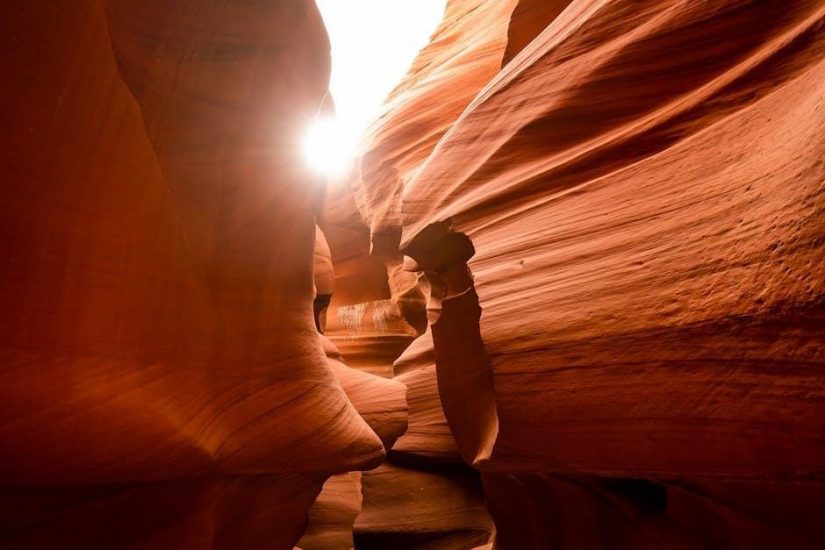
Antelope Canyon Self-Guided Tour: A Comprehensive Plan
Planning a visit to Antelope Canyon requires careful consideration of permits, tour operators, and costs, especially with recent price fluctuations observed between 2025-2026․
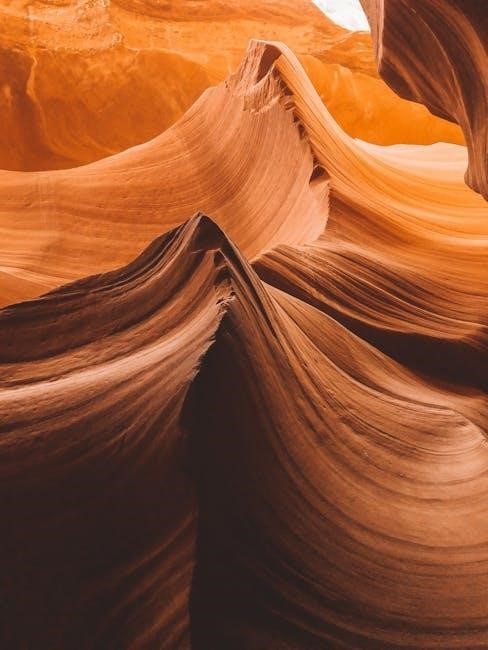
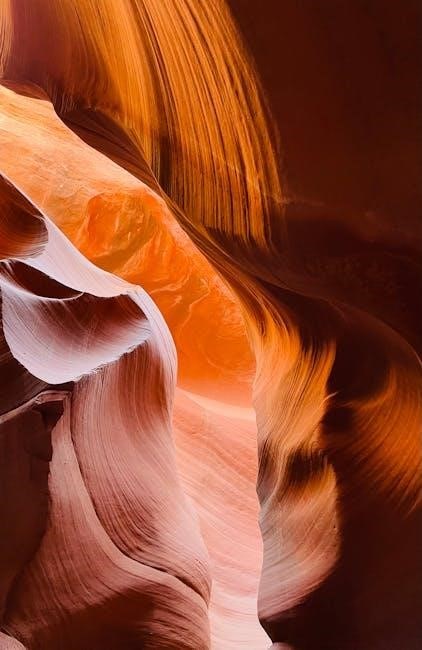
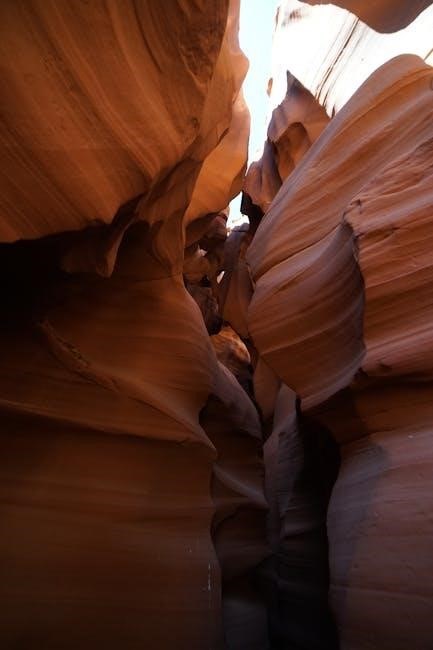
Antelope Canyon, nestled in northern Arizona on Navajo Nation land, is a breathtaking slot canyon famed for its sculpted sandstone walls and ethereal light beams․ This geological marvel attracts visitors globally, offering a unique photographic and spiritual experience․ Access isn’t free-roaming; guided tours are mandatory due to safety concerns and Navajo Nation regulations․
Currently, options range from standard sightseeing tours to specialized photography tours, catering to diverse interests․ Prices vary significantly, influenced by canyon choice (Upper or Lower), tour operator, and seasonality․ Planning ahead, securing permits, and understanding associated costs are crucial for a smooth visit․
II․ Understanding the Two Canyons
Antelope Canyon comprises two distinct sections: Upper and Lower, each offering a unique experience․ Upper Antelope Canyon is renowned for its iconic light beams, particularly during midday, and features a relatively flat, easy walk․ Lower Antelope Canyon, conversely, requires navigating steep stairs and narrow passages, appealing to more adventurous visitors․
Tour durations differ; Upper Canyon tours typically last around 4 hours, while Lower Canyon explorations are approximately 1․5 hours․ Pricing also varies, with Lower Canyon generally being more affordable, around $50, compared to Upper Canyon’s $65+ (as of early 2026)․
A․ Upper Antelope Canyon
Upper Antelope Canyon is famed for its ethereal light beams, especially visible between 11 AM and 1:30 PM during peak season․ Tours often utilize air-conditioned tour buses for access, offering a comfortable experience․ Expect a longer duration, approximately 4 hours, and higher costs, generally exceeding $65, plus Navajo Park permits and taxes․
The canyon floor is relatively level, making it accessible for many, though still requiring walking․ Private tours are sometimes available, providing a less crowded experience, but at a premium price․
B․ Lower Antelope Canyon
Lower Antelope Canyon presents a more adventurous experience, requiring navigating steep stairs and narrow passages․ Tours typically last around 1․5 hours and are generally more affordable, starting around $50 with operators like Ken’s Tours or Dixie Ellis’; Shelby, a highly-rated guide, exemplifies the excellent service available․
Despite the physical demands, the canyon’s unique formations and photographic opportunities are highly rewarding․ It’s a popular choice for those seeking a more immersive and budget-friendly exploration․
III․ Planning Your Self-Guided Visit
Effective planning is crucial, as Antelope Canyon doesn’t allow truly “self-guided” access; a Navajo guide is mandatory․ Reservations are essential, particularly during peak season, and can be made directly with tour operators like Ken’s or Dixie Ellis’ to avoid inflated third-party pricing․
Consider booking well in advance to secure your preferred time slot and operator․ Factor in Navajo Park permit fees, sales tax, and potential booking fees when budgeting for your trip․
A․ Best Time to Visit
The optimal time to visit Antelope Canyon is during the shoulder seasons – spring (April-May) and fall (September-October)․ These periods offer pleasant temperatures and fewer crowds compared to the peak summer months․ Midday provides the iconic light beams, but also attracts the largest groups․
Photographers often prefer these times, while others might favor early morning or late afternoon for softer light and a more tranquil experience․ Be prepared for potential weather impacts regardless of the season․
B․ Required Permits and Reservations
Accessing Antelope Canyon necessitates both a Navajo Park Permit and a tour reservation․ Self-guided tours are generally not permitted; you must book through an authorized tour operator like Ken’s Tours or Dixie Ellis’ Lower Antelope Canyon Tours․ The Navajo Park Permit currently costs around $15, plus a $6 sales tax․
Reservations are crucial, especially during peak season, and should be made well in advance to secure your preferred time slot․ Booking directly with the tour operator often yields better pricing․
IV․ Antelope Canyon Tour Costs & Pricing (as of 02/03/2026)
Tour pricing varies significantly depending on the canyon (Upper or Lower) and the tour type (standard or photography)․ As of today, standard Lower Antelope Canyon tours range from $50-$65 for approximately 1․5 hours, while Upper Antelope Canyon tours start around $65 and can extend to 4 hours․
Remember to factor in the $15 Navajo Park Permit, a $6 Navajo sales tax, and potential booking fees․ Total costs can easily exceed $90 per person, especially with third-party booking sites․
A․ Upper Antelope Canyon Tour Prices
Upper Antelope Canyon tours generally command a higher price point due to their accessibility and the iconic light beams․ Expect to pay around $65 as a base price for a standard 1․5 to 4-hour tour, though private tours can be significantly more expensive․
Photography tours, offering extended time and tripod access, will increase the cost․ Don’t forget the mandatory Navajo Park Permit ($15) and applicable taxes and booking fees when budgeting․
B․ Lower Antelope Canyon Tour Prices
Lower Antelope Canyon tours are typically more affordable than Upper Canyon excursions, starting around $50 for a standard 1․5-hour guided experience․ This price reflects the need to navigate stairs and slightly more challenging terrain․
Photography tours, allowing tripods and longer durations, will naturally increase the cost․ Remember to factor in the $15 Navajo Park Permit, Navajo sales tax, and any associated booking fees when calculating the total expense․
C․ Navajo Park Permit Fees
A mandatory Navajo Park Permit is required for all visitors to Antelope Canyon, currently priced at $15․00 per person as of February 3, 2026․ This fee is separate from the tour operator costs and is essential for accessing both Upper and Lower Antelope Canyon․
The permit directly supports the Navajo Nation and its preservation efforts․ It’s crucial to include this cost when budgeting for your trip, alongside tour prices, taxes, and potential booking fees․
D․ Booking Fees & Taxes
In addition to the tour price and Navajo Park Permit, anticipate additional costs for booking fees and Navajo Sales Tax, currently at 6%․ Many tour operators implement a non-refundable booking fee per reservation, varying in amount depending on the provider․
These fees contribute to administrative costs and reservation management․ Always confirm the total cost, including all taxes and fees, before finalizing your booking to avoid unexpected expenses․ Transparency in pricing is key when planning your Antelope Canyon visit․
V․ Getting to Antelope Canyon
Reaching Antelope Canyon involves travel from major hubs like Las Vegas, the Grand Canyon South Rim, or Los Angeles․ From Las Vegas, a roughly 4․5-hour drive is typical․ The journey from the Grand Canyon South Rim takes around 2․5 hours, while Los Angeles requires a significant 7-8 hour drive․
Consider flight options to Page Municipal Airport for quicker access․ Rental cars are essential for navigating the area and reaching the canyon entrances․ Plan your route and travel time accordingly․
A․ From Las Vegas
Traveling from Las Vegas to Antelope Canyon is a popular route, typically involving a 4․5-hour drive covering approximately 277 miles․ Highway 89 is the primary route, offering scenic views of the Arizona landscape․ Consider an early departure to maximize your time at the canyon․
Several tour operators offer day trips from Las Vegas, including options combining Antelope Canyon with Horseshoe Bend․ Alternatively, renting a car provides flexibility for independent exploration and stops along the way․
B․ From Grand Canyon South Rim
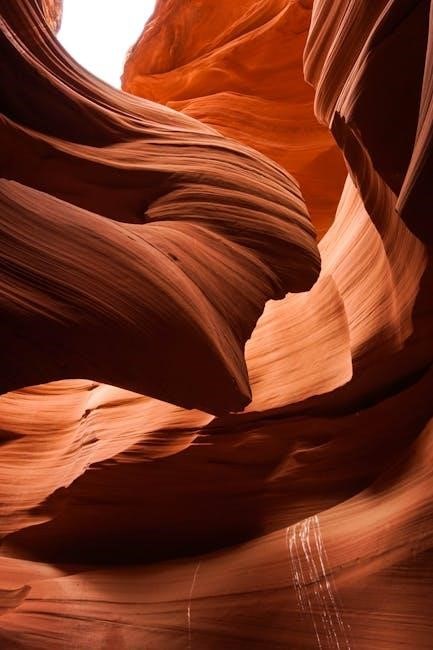
The journey from the Grand Canyon South Rim to Antelope Canyon spans roughly 2․5 to 3 hours, covering around 130 miles․ Taking Highway 89A east and then Highway 160 east is the most direct route․ This drive presents stunning vistas, making it a worthwhile experience in itself․
Combining a Grand Canyon visit with Antelope Canyon is a common itinerary․ Several tour companies specialize in multi-day excursions, while self-driving offers greater control over your schedule and exploration․
C․ From Los Angeles
Traveling from Los Angeles to Antelope Canyon is a significant undertaking, requiring approximately 7-8 hours of driving, covering around 450 miles․ The most common route involves taking Interstate 15 North to Highway 98, then connecting to Highway 89․
Due to the lengthy drive, many visitors opt for multi-day tours encompassing both Los Angeles and the Southwest’s iconic landmarks․ A 6-day tour from Los Angeles, including the Grand Canyon, is a popular choice, though costs can be substantial․
VI․ What to Expect on a Typical Tour
A typical Antelope Canyon tour, whether Upper or Lower, provides an immersive experience within the stunning slot canyons․ Upper Antelope Canyon tours generally last around 4 hours, often utilizing air-conditioned tour buses for transport․ Lower Antelope Canyon tours are shorter, averaging 1․5 hours, and involve navigating stairs and narrow passages․
Tour group sizes vary, but expect to be part of a group․ Booking directly with operators like Ken’s Tours or Dixie Ellis’ can sometimes offer smaller, more personalized experiences․
A․ Tour Duration (Upper vs․ Lower)
The duration of your Antelope Canyon tour significantly differs depending on whether you choose Upper or Lower Antelope Canyon․ Upper Canyon tours typically span approximately 4 hours, allowing ample time for transportation via tour bus and exploration of the wider canyon spaces․ Conversely, Lower Antelope Canyon tours are considerably shorter, generally lasting around 1․5 hours․
This shorter duration reflects the more compact nature of Lower Canyon and its accessibility, requiring less travel time within the canyon itself․
B․ Tour Group Sizes
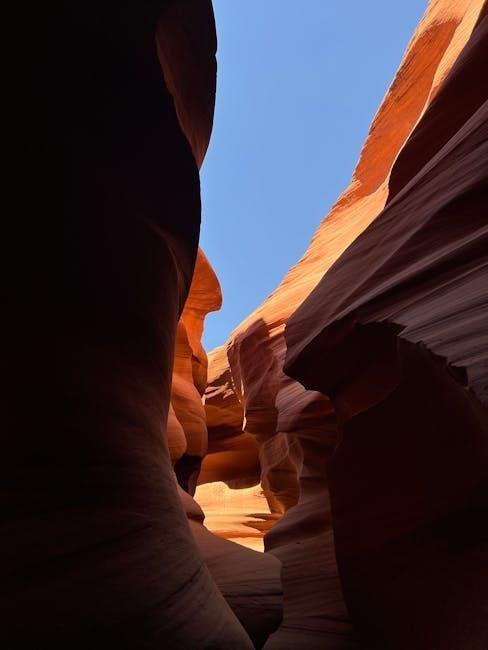
Tour group sizes in Antelope Canyon vary considerably depending on the tour operator and the specific canyon visited․ Generally, Upper Antelope Canyon tours tend to accommodate larger groups, often utilizing open-air vehicles to transport visitors․ Lower Antelope Canyon tours, due to the canyon’s narrower passages and ladder descents, typically operate with smaller, more manageable groups․
Smaller groups enhance the experience, allowing for more personalized attention from guides and reduced congestion within the canyon’s confines․
VII․ Photography Tips for Antelope Canyon
Capturing the beauty of Antelope Canyon requires understanding its unique lighting conditions․ Due to the canyon’s depth, light is often limited, necessitating a camera with good low-light performance․ Utilize a wide-angle lens to encompass the canyon walls, and a tripod for stability is highly recommended․
Experiment with ISO settings and aperture to achieve optimal exposure․ Be mindful of dust and protect your equipment accordingly․
A․ Camera Settings
For optimal results within Antelope Canyon’s challenging light, prioritize specific camera settings․ Employ a low ISO (100-400) to minimize noise, but be prepared to increase it if necessary․ Utilize an aperture between f/8 and f/11 for sufficient depth of field, ensuring sharpness throughout the frame․
A shutter speed of 1/60th of a second or faster is advisable to prevent motion blur, especially without a tripod․ Shoot in RAW format for maximum editing flexibility․
B․ Dealing with Low Light
Antelope Canyon’s slot canyon structure creates significant low-light conditions, demanding specific photographic techniques․ A tripod is highly recommended for sharper images, allowing longer exposures․ If handholding, increase ISO cautiously, balancing brightness with potential noise․
Utilize your camera’s exposure compensation feature to brighten images․ Consider bracketing exposures – capturing multiple shots at varying brightness levels – for later HDR processing․
VIII․ Choosing a Tour Operator
Selecting the right tour operator is crucial for your Antelope Canyon experience․ Ken’s Tours and Dixie Ellis’ Lower Antelope Canyon Tours are prominent choices, each offering unique perspectives․ Booking directly with the canyon, as opposed to third-party sites like Trip Advisor, can yield significant cost savings – potentially $25 per person․
Consider tour type; standard tours are shorter, while photography tours cater to enthusiasts needing more time and guidance․ Research recent reviews to assess operator reliability and guide quality․
A․ Ken’s Tours
Ken’s Tours is a well-established operator for Lower Antelope Canyon tours, frequently praised for knowledgeable guides like Shelby; Expect approximately a 1․5-hour exploration of the canyon for around $50, offering a fantastic introduction to its geological wonders․
They are known for providing a structured experience, ensuring visitor safety and maximizing photographic opportunities․ Booking in advance is highly recommended, especially during peak season, to secure your preferred time slot and avoid disappointment․
B․ Dixie Ellis’ Lower Antelope Canyon Tours
Dixie Ellis’ Lower Antelope Canyon Tours is another highly-rated option for exploring this stunning slot canyon, often mentioned alongside Ken’s Tours as a reliable provider․ Like Ken’s, they typically offer tours lasting around 90 minutes to 1․5 hours, with similar pricing around the $50 mark․
Visitors consistently commend their guides for being informative and helpful, enhancing the overall experience․ Advance reservations are crucial, particularly during busy periods, to guarantee access to the canyon․
IX․ Safety Considerations
Antelope Canyon, while breathtaking, presents certain safety challenges visitors must acknowledge․ Flash flood risk is a primary concern, even if the weather appears clear; canyons are susceptible to sudden water surges․ Adhering strictly to guide instructions is paramount, as they monitor conditions closely․
The canyon walls are delicate and prone to rockfall, so maintaining a safe distance and avoiding touching the formations is essential․ Be mindful of uneven terrain and potential tripping hazards throughout the tour․
A․ Weather Conditions
Antelope Canyon’s narrow slot canyons are highly vulnerable to flash floods, making weather monitoring crucial․ Even distant rainfall can cause dangerous water surges with little warning․ Tours are often canceled with even a remote threat of precipitation․
Summer brings intense heat, requiring hydration and sun protection․ Winter can be surprisingly cold, especially within the shaded canyon depths․ Always check the forecast before your visit and heed any warnings from tour operators regarding inclement weather․
B․ Canyon Hazards
Beyond flash floods, Antelope Canyon presents several hazards․ The sandstone walls are fragile and susceptible to collapse, particularly after heavy rain․ Loose sand underfoot can create slipping risks, and the narrow passages can feel claustrophobic for some visitors․
Pay close attention to your guide’s instructions and stay within designated pathways․ Avoid touching the canyon walls to preserve their delicate formations․ Be mindful of falling rocks and maintain awareness of your surroundings at all times․
X․ What to Wear and Bring
Comfortable, closed-toe shoes are essential for navigating the sandy canyon floor․ Lightweight, breathable clothing is recommended, as temperatures can fluctuate․ Layers are advisable, especially during cooler months․
Essential items include a water bottle to stay hydrated, sunscreen, a hat, and sunglasses․ A dust mask or bandana can protect against airborne sand․ Don’t forget your camera to capture the stunning scenery, and consider a protective case for it!
A․ Clothing Recommendations
Opt for lightweight and breathable fabrics like moisture-wicking materials, as the canyon can get warm, even in shoulder seasons․ Avoid dark colors, as they attract heat․ Layers are crucial; a light jacket or sweater is wise for temperature swings․
Comfortable, closed-toe shoes are non-negotiable due to the sandy terrain․ Consider long sleeves and pants to protect against scratches and sun exposure․ Hats offer vital sun protection, completing your practical attire․
B․ Essential Items to Pack
Bring ample water to stay hydrated, especially during warmer months – the desert climate demands it․ Sunscreen with high SPF is crucial, alongside sunglasses and a hat for sun protection․ A dust mask or bandana will shield you from swirling sand․
For photography enthusiasts, a camera and extra batteries are vital․ Small snacks can provide energy during tours․ Cash is useful for tips or small purchases, completing your essential packing list․
XI․ Comparing Tour Options: Standard vs․ Photography Tours
Standard tours prioritize experiencing the canyon’s beauty, typically lasting 1․5 hours in Lower Antelope Canyon, or around 4 hours in Upper Antelope Canyon․ Photography tours, however, cater to enthusiasts, offering more time and tripod access for optimal shots․
Expect to pay a premium for photography tours – around $80 versus $46 for standard access as of recent reports․ Consider your photographic goals; standard tours suffice for casual visitors, while dedicated photographers benefit from specialized access․
XII․ Antelope Canyon & Horseshoe Bend Combination Tours
Combining Antelope Canyon with a visit to Horseshoe Bend is a popular choice, maximizing your time in Northern Arizona․ Many tour operators offer packages from Las Vegas or the Grand Canyon South Rim, streamlining logistics․
Expect to pay around $199 per adult for a day trip including both locations, though this typically excludes meals, tips, and the Navajo Park permit․ These tours offer convenience, but independent travel allows greater flexibility and potentially lower overall costs․
XIII․ Multi-Day Tours Including Antelope Canyon
For a more immersive experience, consider multi-day tours incorporating Antelope Canyon alongside other Southwestern highlights․ Options range from 6-day Grand Canyon and Antelope Canyon explorations originating from Los Angeles, to broader regional tours encompassing multiple states․
These packages can exceed $41,413․54 per person, but often include transportation, accommodation, and guided visits to various attractions․ While convenient, remember that costs for Antelope Canyon entry, dinners, and gratuities are frequently not included in the base price․
A․ Grand Canyon & Antelope Canyon Tours
Combining the grandeur of the Grand Canyon with the ethereal beauty of Antelope Canyon is a popular choice․ Many tour operators offer packages ranging from 2-day quick trips from Las Vegas to more extensive explorations lasting a week or longer․
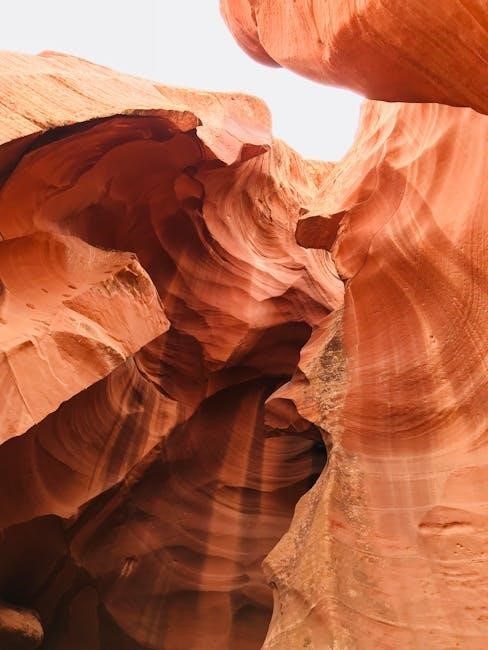
These tours often include transportation, lodging, and guided excursions to both iconic locations․ Be mindful of the total cost, as Antelope Canyon entry fees, meals, and tips are often additional expenses, potentially increasing the overall price significantly․
B․ Southwest Region Tours
For a more immersive experience, consider a multi-day tour encompassing the broader Southwest region․ These itineraries frequently incorporate Antelope Canyon alongside other natural wonders like Monument Valley, Bryce Canyon, and Zion National Park, offering a comprehensive exploration of the area’s diverse landscapes․
Expect these tours to be more expensive, reflecting the extended duration and inclusion of multiple destinations․ Carefully review the inclusions to understand what’s covered, particularly regarding Antelope Canyon access and associated fees․
XIV․ Booking Directly vs․ Through Third-Party Sites
Booking directly with tour operators like Ken’s Tours or Dixie Ellis’ can often yield significant savings․ As noted, third-party sites like TripAdvisor/Thunder Travel may add substantial markups – potentially $25 or more – without providing additional value beyond facilitating the booking process․
Direct booking ensures you secure the lowest available price and have a clearer understanding of the tour details․ However, compare availability across platforms, as some tours may be exclusively offered through specific channels․
XV․ Potential Additional Costs (Dinners, Tips)
Beyond the tour and park permit fees, anticipate additional expenses during your Antelope Canyon visit․ Many tours, particularly multi-day excursions from Las Vegas or Los Angeles, do not include meals, specifically dinners․ Budget accordingly for dining options in Page, Arizona, or along your travel route․
Tipping your tour guide is customary and appreciated for excellent service․ While not mandatory, a tip of $10-$20 per person is a common practice․ Factor these potential costs into your overall trip budget for a stress-free experience․
XVI․ Accessibility Information
Antelope Canyon presents significant accessibility challenges for individuals with mobility limitations․ Both Upper and Lower Antelope Canyon involve navigating uneven terrain, steep stairs (particularly in Lower Canyon), and narrow passageways․ Wheelchair access is extremely limited, and generally not feasible without assistance․
Individuals with respiratory issues should also be aware of potential dust and confined spaces․ Contact tour operators before booking to discuss specific needs and determine if a tour is suitable․ Consider alternative nearby attractions if accessibility is a primary concern․
XVII․ Understanding Navajo Nation Regulations
Antelope Canyon is located on Navajo Nation land, and visitors must respect all tribal laws and regulations․ A Navajo Park Permit is required in addition to tour fees, currently around $15, plus applicable taxes․ These permits support the Navajo Nation and canyon preservation․
Photography tours may have additional restrictions, and commercial photography requires separate permits․ Visitors should be mindful of cultural sensitivities and refrain from disruptive behavior․ Adherence to these regulations ensures respectful tourism and protects this sacred site․
XVIII․ Alternatives to Traditional Tours
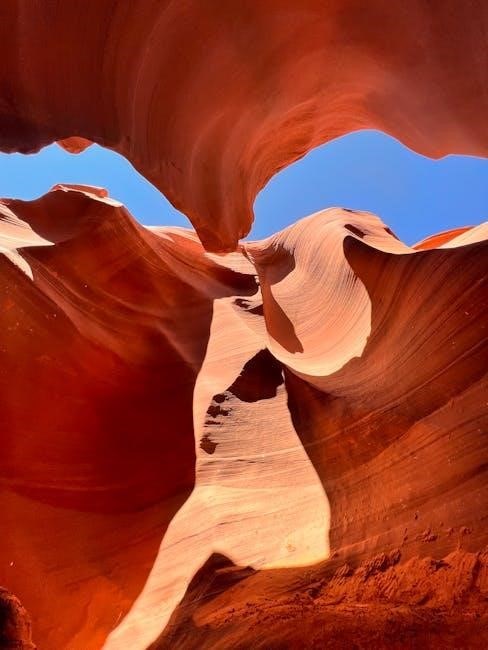
While self-guided tours within the canyons aren’t permitted, exploring nearby areas offers alternatives․ Consider scenic drives along Highway 89, visiting Horseshoe Bend for stunning views, or exploring other slot canyons in the region․
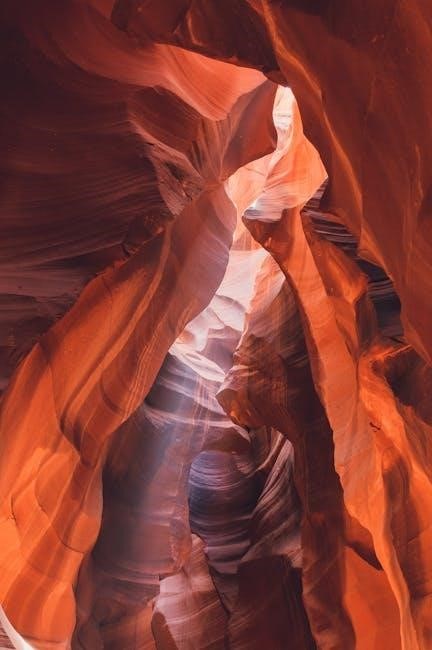
Photography enthusiasts might explore workshops focusing on landscape photography․ Combining Antelope Canyon with a broader Southwest tour, including the Grand Canyon, provides a richer experience․ These options offer flexibility and can be more budget-friendly than peak-season canyon tours․
XIX․ Nearby Attractions
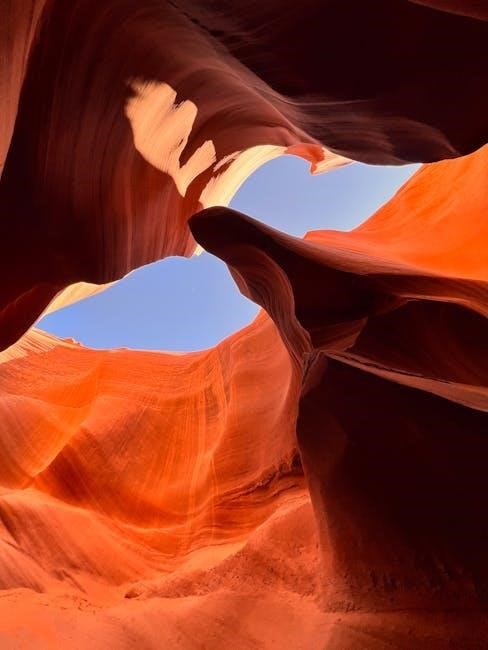
Beyond Antelope Canyon, the Page, Arizona area boasts numerous attractions․ Horseshoe Bend, a dramatic meander in the Colorado River, is a must-see, offering incredible photo opportunities․ Lake Powell provides opportunities for boating, kayaking, and hiking amidst stunning red rock landscapes․
Glen Canyon Dam and the Carl Hayden Visitor Center offer insights into the region’s history and engineering․ Consider exploring Water Holes Canyon, a lesser-known slot canyon, or visiting the Toadstool Hoodoos for unique geological formations․
XX․ Accommodation Options Near Antelope Canyon
Page, Arizona, serves as the primary base for visiting Antelope Canyon, offering a range of lodging choices․ Options span from budget-friendly motels like the Days Inn & Suites to more upscale hotels such as the Hyatt Place Page/Lake Powell․
Vacation rentals and Airbnb properties provide alternatives for larger groups or those seeking more space․ Camping is available at nearby Lake Powell resorts and designated campgrounds, offering a closer connection to nature․ Booking in advance is highly recommended, especially during peak season․
XXI․ Frequently Asked Questions
Is a guided tour required? Yes, access to Antelope Canyon is only permitted with an authorized Navajo Nation tour operator․ Can I bring a backpack? Generally, large bags are not allowed inside the canyons․ What about photography? Standard tours allow photography, but dedicated photography tours offer more time and guidance․
Are reservations essential? Absolutely, reservations are crucial, particularly for Upper Antelope Canyon․ What is the Navajo Park Permit fee? Currently, it’s $15․00, in addition to tour costs․
XXII․ Recent Price Increases & Trends (2025-2026)
Tour costs have seen a noticeable increase from 2025 to 2026․ Lower Antelope Canyon tours, through Ken’s or Dixie Ellis’, averaged $50 for a 1․5-hour experience in May 2025․ Upper Antelope Canyon tours, often private and longer (around 4 hours), are significantly pricier․
Booking directly with the canyon operators can save money, avoiding third-party markups like those seen with Trip Advisor/Thunder Travel․ Expect to pay around $65 directly versus $90 through resellers․
XXIII․ Avoiding Crowds: Peak Season Strategies
Antelope Canyon’s popularity necessitates strategic planning to minimize crowds․ Visiting during the shoulder seasons (spring or fall) offers a balance of pleasant weather and fewer tourists․ Booking tours early in the morning or later in the afternoon can also help, as midday is typically the busiest․
Consider a photography tour for smaller group sizes, though these come at a premium․ Opting for the Lower Canyon, generally less crowded than the Upper, is another effective tactic․
XXIV․ Responsible Tourism in Antelope Canyon
Respecting Navajo Nation land and culture is paramount when visiting Antelope Canyon․ Adhere strictly to designated pathways and avoid touching the canyon walls, preserving this delicate natural wonder for future generations․ Support local Navajo-owned tour operators, ensuring economic benefits remain within the community․
Minimize your environmental impact by packing out all trash and avoiding single-use plastics․ Be mindful of noise levels and respectful of other visitors’ experiences․